The anatomy of a good prompt: subject, style, light, and camera

By Dani Ochoa
AI Engineer
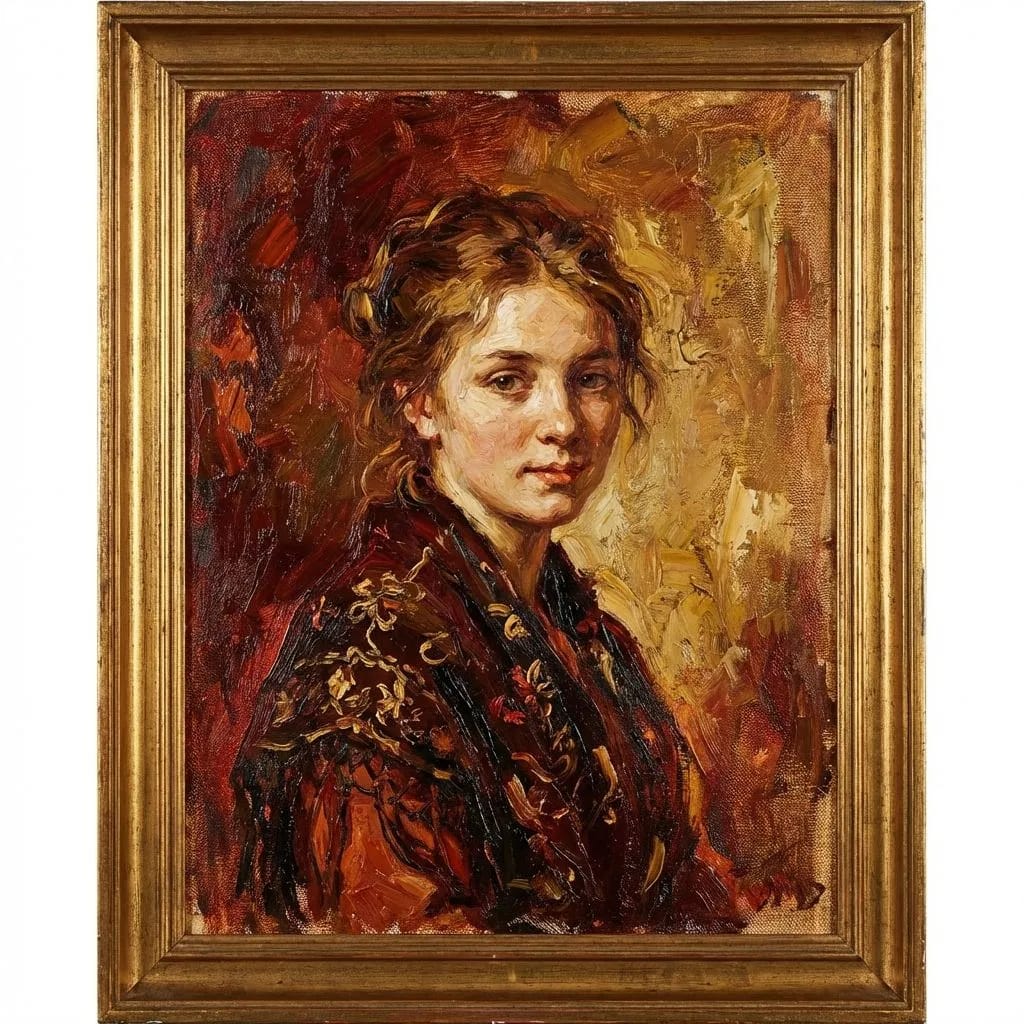
When we analyze thousands of top-performing prompts across our tools, the same four-layer pattern shows up every time: subject, style, light, and camera. Understanding them lets you debug any mediocre generation.
Layer 1 — The subject
What or who appears, in as much detail as possible: age, expression, pose, wardrobe. The more specific you are, the less room for interpretation you leave the model.

Layer 2 — The style
Photography, illustration, watercolor, pixel art... Style determines which visual references the model draws on internally, and should always come after the subject, not before.
"Subject first, style second: the model decides WHAT to draw before it decides HOW to draw it."
Layers 3 and 4 — Light and camera
Light defines the mood (dramatic, soft, natural) and camera defines the framing (wide shot, close-up, low angle). Adding these two layers last is what turns a correct image into a memorable one.
Once you have the four layers down, our guide on how to write AI art prompts walks through complete examples.
Keep reading
 Guides
How to write prompts that generate studio-quality portraits
Six principles of composition, light, and style that separate a generic portrait from a professional-looking one.

Mei Fontán
July 3, 2026 · 6 min read
 Guides
Background removal vs. object removal: when to use each tool
They are often confused, but they solve different problems. We explain with examples when each one is the right choice.
Dani Ochoa
June 11, 2026 · 4 min read
 News
NewsCommunity: what we shipped and what is coming
A look at the new social section — trending, top creators, one-click recreate — plus a preview of what is next.

Nora Vidal
July 6, 2026 · 3 min read